STRENGTH TRAINING WITH INJURIES (Back, Knee & Shoulder)
Can you strength train with back, knee or shoulder pain? Yes-with smart modifications. Learn safe training principles from Altona North Training.
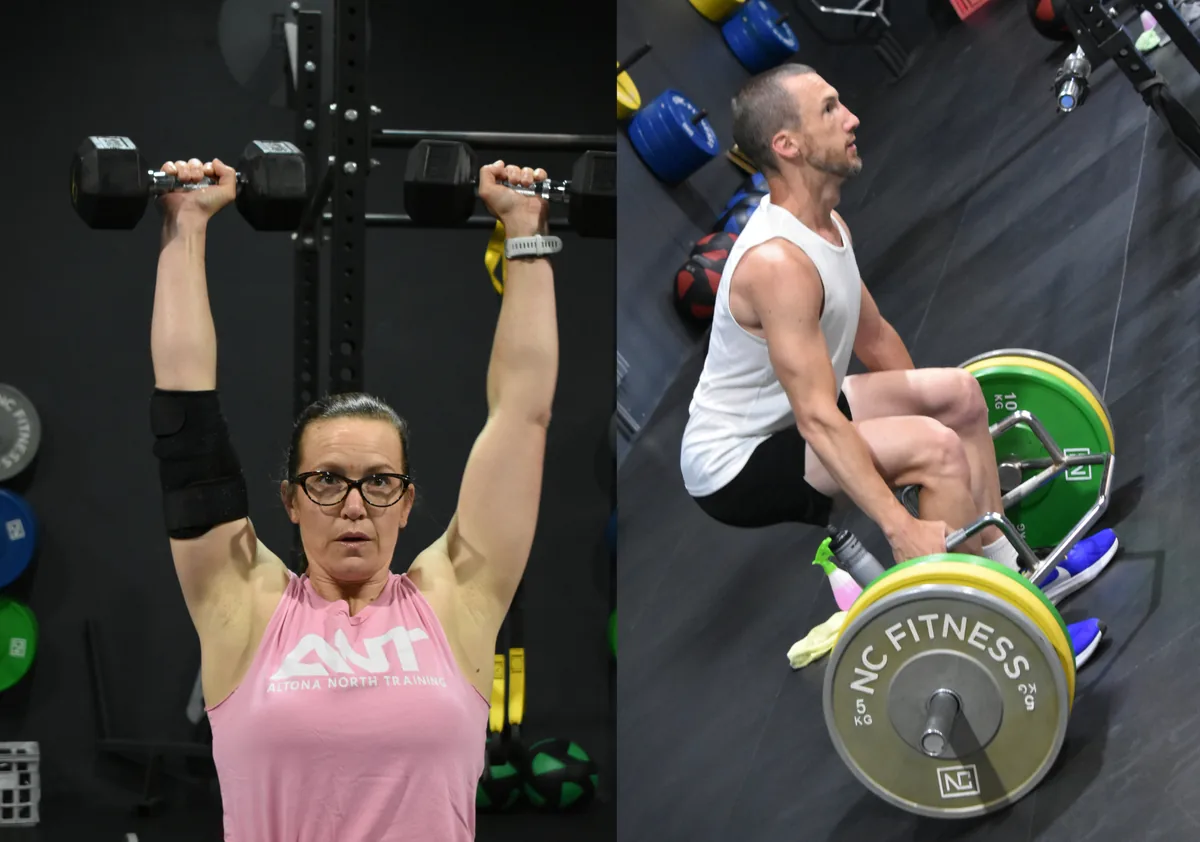
Strength Training With Injuries: How to Modify Exercises for Back, Knee & Shoulder Pain (Safely)
If you’ve ever said, “I’d love to train… but my back/knee/shoulder won’t let me,” you’re not alone.
At Altona North Training (ANT), we coach a lot of adults who want to get stronger but have a history of pain, old injuries, or recurring flare-ups. The good news is: most people don’t need to stop training, they need smarter training.
This blog will walk you through the principles we use to help people strength train safely with common issues like:
- lower back pain
- knee pain
- shoulder pain
It’s not medical advice, but it is practical, evidence-informed guidance that can help you train with confidence.
Quick takeaway:
The goal isn’t “push through pain.” The goal is modify, progress gradually, and build resilience.
Is strength training safe if you have an injury?
Often, YES, when it’s coached properly and progressed gradually.
What tends to cause problems is not strength training itself, but things like:
- doing too much too soon
- poor technique under fatigue
- random workouts with no progression plan
- repeating movements that aggravate symptoms
- ignoring recovery (sleep, stress, workload)
A well-designed program usually does the opposite: it builds strength in the muscles and movement patterns that support your joints.
If you’re in Altona North (or nearby suburbs like Newport, Williamstown, Brooklyn, South Kingsville), the biggest “shortcut” is getting guidance early so you don’t waste months guessing.
The 5 principles of training around pain (what we do in practice)
When someone comes to ANT with pain history, we don’t just swap exercises randomly. We follow a few simple principles.
- 1) Keep the goal, change the tool
If a barbell back squat irritates your knee, that doesn’t mean you “can’t squat.” It might mean we choose a different squat variation for now.
Examples:
- back squat → goblet squat or box squat
- barbell deadlift → kettlebell deadlift or trap bar deadlift
- bench press → dumbbell press or incline press
Same training goal (strength), safer tool.
- 2) Use a pain scale (and respect it)
A simple guideline many coaches use:
- 0-2/10 pain: usually acceptable if it settles quickly and doesn’t worsen after
- 3-4/10 pain: proceed cautiously, reduce range/load, monitor response
- 5+/10 pain: stop and modify (or choose a different movement)
Pain that increases session to session is a sign the plan needs adjusting.
- 3) Progress gradually (this is everything)
Most flare-ups happen when people jump:
- from 0 to 4 sessions/week
- from light to heavy too quickly
- from “no training” to high-intensity circuits
At ANT, we prefer steady progress across structured cycles (often 12 weeks), because tissues adapt over time - not overnight.
- 4) Prioritise great technique over heavy weight
When you’re training around an injury, technique is your best friend.
We want:
- controlled reps
- stable positions
- good breathing/bracing
- appropriate range of motion
- no “ugly reps” just to hit a number
- 5) Train what you can train (and build momentum)
Even if one area is sensitive, there’s almost always a way to keep training:
- lower body options when shoulders are cranky
- upper body options when knees are sore
- core, carries, and conditioning that don’t aggravate symptoms
Consistency builds confidence and confidence keeps people training long enough to improve.
Strength training with lower back pain: what usually helps
Lower back pain is common, especially for adults who sit a lot, have stress, or have had past flare-ups.
Common mistakes
- rounding under load (especially in hinges)
- going too heavy too soon on deadlifts
- doing high-rep fatigue circuits with poor bracing
- ignoring hip mobility and core control
What we often do instead (modifications)
Hinge pattern options (back-friendly):
- kettlebell deadlift from blocks
- trap bar deadlift (often more back-friendly)
- Romanian deadlift with light load + strict control
- hip thrust / glute bridge variations
Core and trunk control (often a missing link):
- dead bug variations
- side plank variations
- carries (farmer carry, suitcase carry)
- controlled anti-rotation work
Coaching focus:
- bracing and breathing
- hip hinge mechanics
- load management (progress slowly)
Important: Back pain is individual. If you have nerve symptoms (numbness/tingling, radiating pain), get assessed by a qualified healthcare professional.
Strength training with knee pain: what usually helps
Knee pain often shows up when the knee is doing more work than the hips, or when training volume/intensity increases too fast.
Common mistakes
- deep knee bend under fatigue with poor control
- jumping into running/plyometrics too early
- ignoring hip strength (glutes)
- doing too much quad-dominant work without balance
What we often do instead (modifications)
Squat pattern options (knee-friendly):
- box squat (controls depth and position)
- goblet squat (often easier to keep good form)
- split squat to a comfortable range
- step-ups with controlled tempo
- Posterior chain support (takes pressure off knees):
- hip hinge work (RDLs, hip thrusts)
- glute med work (hip stability)
- hamstring strengthening (machine or sliders)
Coaching focus:
- knee tracking and foot position
- tempo control (slower reps can help)
- range of motion that’s tolerable now, then expanded gradually
Strength training with shoulder pain: what usually helps
Shoulder pain is often influenced by posture, upper back strength, and how pressing movements are performed.
Common mistakes
- pressing overhead with poor shoulder mechanics
- too much pushing and not enough pulling
- shrugging/neck tension during presses
- flaring elbows aggressively on bench/pressing
What we often do instead (modifications)
Pressing options (shoulder-friendly):
- incline dumbbell press (often more comfortable)
- neutral-grip dumbbell press
- landmine press (great option for many shoulders)
- push-ups with hands elevated (better control)
- Pulling and upper back strength (often the key):
- cable rows / chest-supported rows
- lat pulldowns
- face pulls / rear delt work
- scap control drills (done properly)
Coaching focus:
- shoulder blade control
- balanced push:pull volume
- pain-free range of motion first, then gradual progression
The “safe strength training” checklist (quick guide)
If you want a simple checklist to keep training safer when you’ve got injury history, use this:
- Start with 2-3 sessions/week (consistency first)
- Keep most sets at moderate effort (leave 2-3 reps in the tank)
- Progress one thing at a time (reps or load or range)
- Choose variations that feel stable and controlled
- Track what you do (so progression is planned, not accidental)
- If pain increases week to week, adjust early - don’t wait until it blows up
Conclusion
You can often strength train safely with back, knee, or shoulder pain. The key is smart modifications, controlled technique, gradual progression, and a plan that adapts to your body. If you’re local to Altona North and want guidance so you can train confidently without guesswork, reach out and we’ll help you get started the right way.
At Altona North Training, our coaches are PT-qualified and used to modifying exercises inside group sessions so you can keep training, build strength, and regain confidence, even if you’ve had back, knee, or shoulder issues in the past.
Want help getting started? Get in touch and we’ll guide you.