Reduce Pain and Stiffness Pronto!
Altona North Training is the best Strength & Conditioning Gym in Melbourne's West. We offer no lock in memberships and over 35 classes every week.
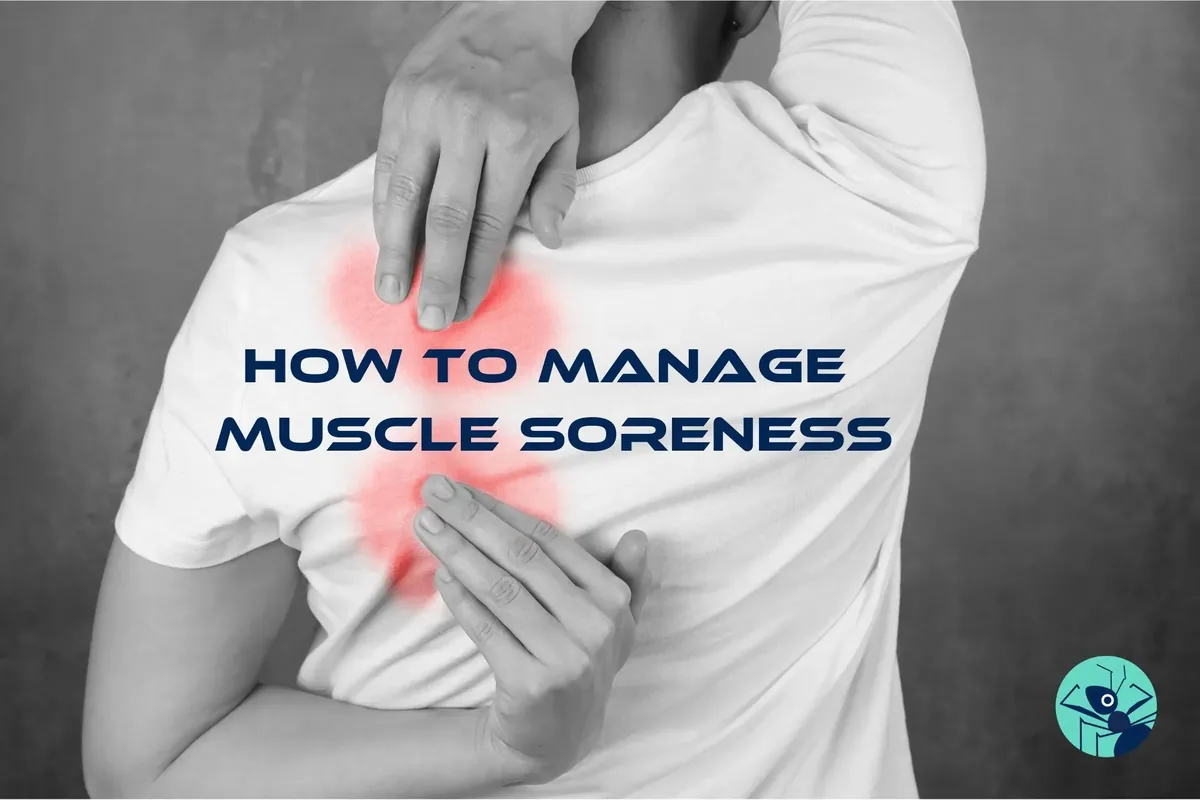
Ever been so sore you can’t sit down without pain, or lift your arms above your head? Yep, us too. Being sore is part of the fitness package and we are all familiar with it - but what’s actually going on when our muscles are sore? And is it good? Are there ways to soothe the pain and make it go away quicker? Let’s explore…
Why do we feel sore after a workout?
When we push our muscles to perform outside their comfort zone, we cause damage to our muscle fibers. While that sounds bad, it’s actually good! Our muscles then become sore when inflammation pops up trying to repair the damage, making them stronger in the process. While a bit of soreness can be good, every workout you do does not need to cause soreness to be effective.
When is soreness good, and when it is bad?
While some soreness after a workout is just a sign of having pushed yourself with a new exercise or heavier weights, it should only last a day or two and shouldn’t impact on your day-to-day activities.
Making ourselves sore after every workout shouldn’t be a primary aim of training, and being so sore we can barely walk for a week is not ideal. We want our muscles to be able to recover and repair quickly after small amounts of damage so we grow stronger, not damage the muscle so much we can’t make progress.
How can we help our body recover from soreness?
Muscle soreness sticking around longer than you’d like? Try some of these tips to aid your recovery:
- Get more sleep
- sleep is when our body repairs itself. Getting plenty of non-REM sleep in particular increases protein synthesis, which is needed to repair damaged muscle fibres
- Eat more protein and carbohydrates
- these two macros are vital to repairing muscles. Protein contains amino acids needed to rebuild muscle tissue, while carbohydrates replenish the energy used up by your muscles during the workout
- Skip the booze
- nothing hampers your recovery more than downing a bottle of wine. A better option? Water! It helps deliver vital nutrients to your damaged muscles and flush out toxins
- Foam roll or get a massage
- it may hurt, but a remedial massage around the sore spot or foam rolling after your workout can help release tension in the muscle and connective tissue. It also increases circulation, improving recovery time
- Head out for a walk or swim
- gentle exercise can help move fluids around your body, aiding recovery. A light bodyweight workout or a slow cycle could also help
- Take a cold or hot bath
- cold water immersion causes constriction of the blood vessels and reduces tissue breakdown. When you become warm again, the flow of blood moves fluid around and relaxes muscles. If you can’t stomach the cold water, a warm bath with Epsom salts is another great option to soothe sore muscles